
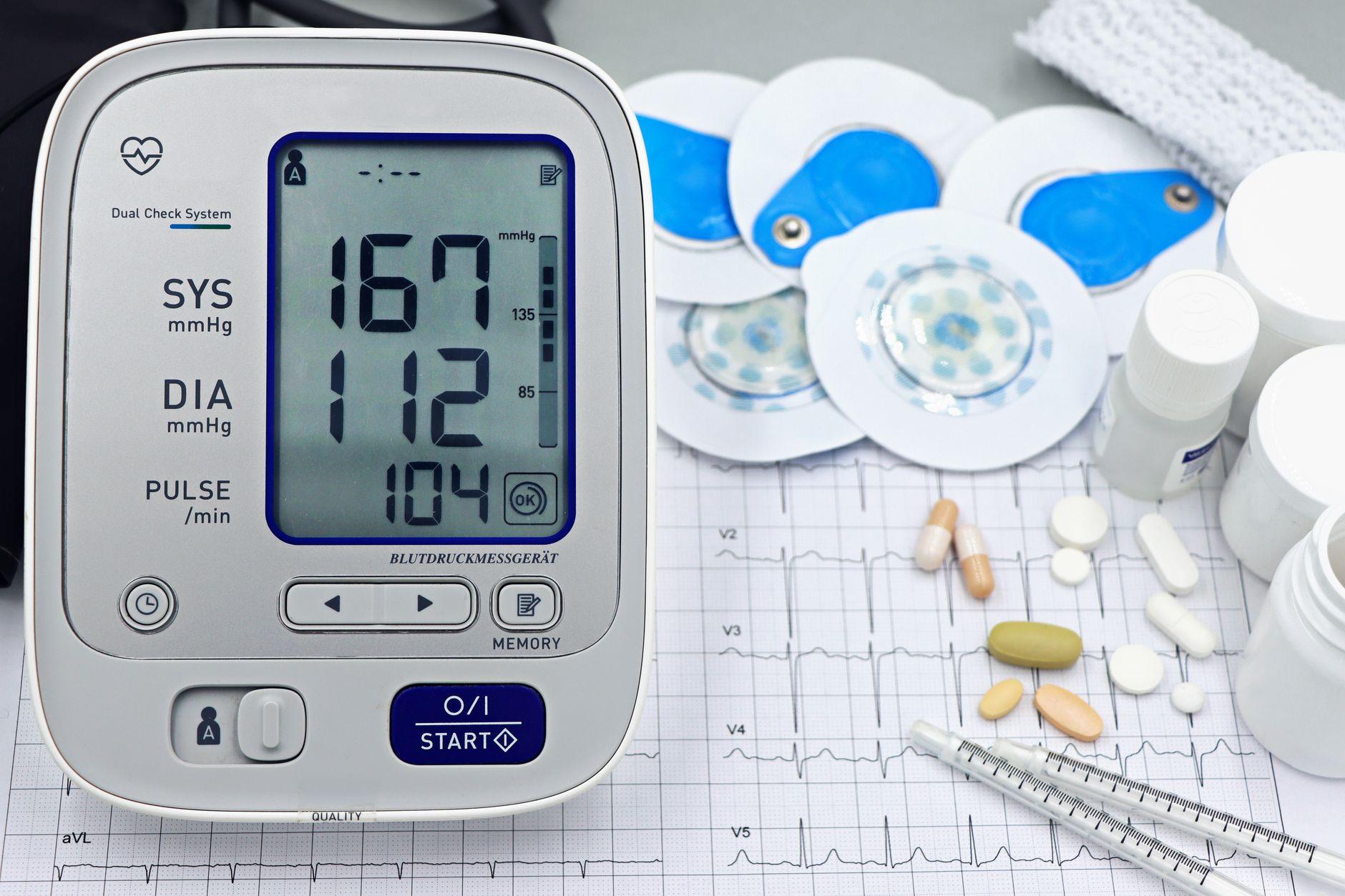
My own doctor spent years blaming my high blood pressure entirely on my love for salty pretzels and a lack of morning jogs. It turns out, the medical community is finally shifting away from that narrow view and looking at the much messier reality of chronic systemic inflammation and metabolic dysfunction. Most patients are told to drop the salt shaker, but that advice often ignores how insulin resistance makes your arteries stiffen up like old garden hoses.
$300 billion is roughly what we spend annually on cardiovascular health issues, yet we’re still arguing over whether dietary sodium is the ultimate villain. It’s infuriating when you realize how many people are prescribed ACE inhibitors or beta-blockers without ever being tested for fasting insulin levels. High blood pressure isn’t just a number on a cuff; it’s a desperate signal from your body that your metabolic health is falling apart.
Insulin resistance behaves like a silent wrecking ball. When your cells stop responding to insulin properly, your kidneys hang onto extra sodium and your nervous system goes into overdrive, which drives your blood pressure into the danger zone. I honestly think the medical establishment is terrified of admitting that changing your macronutrient intake—specifically cutting refined carbohydrates—is more effective than swallowing a daily pill for the rest of your life. It’s hard to monetize a plate of steamed vegetables compared to a patented pharmaceutical intervention.
Chronic inflammation acts as a secondary culprit that doctors often overlook during standard checkups. Your blood vessels are lined with a delicate tissue called the endothelium, and when it gets inflamed, it stops producing nitric oxide, the very thing that keeps those vessels relaxed and open. Researchers at Harvard Health Publishing have signaled that this damage is often triggered by poor sleep quality or persistent psychological stress, not just what you had for lunch. You could spend $5,000 on private testing and still find yourself stuck in a system that wants to manage symptoms instead of addressing that underlying endothelial dysfunction.
One major downside to this new focus on metabolic health is that you’ll have to do the heavy lifting yourself. There is no simple blood test that tells you exactly how much your gut microbiome or circadian rhythm contributes to your hypertension, so you’re left playing detective with your own biology. I personally found that tracking my glucose levels with a continuous glucose monitor was the only way to see how my body reacted to specific foods, a tool that cost me about $200 for a two-week experiment. It was a massive wake-up call to see how a small snack could keep my blood sugar—and consequently my vascular tension—high for hours.
Millions of people continue to rely on the DASH diet, which is solid advice, but it frequently fails because it doesn’t account for the unique ways processed oils or sedentary lifestyle habits destroy your internal signaling. If you don’t fix the cellular communication issues caused by metabolic syndrome, you’re really just putting a fancy bandage on a gunshot wound. Most people would honestly be better off ignoring their doctor’s obsession with a single point of data and started treating the systemic mess happening inside their veins.