
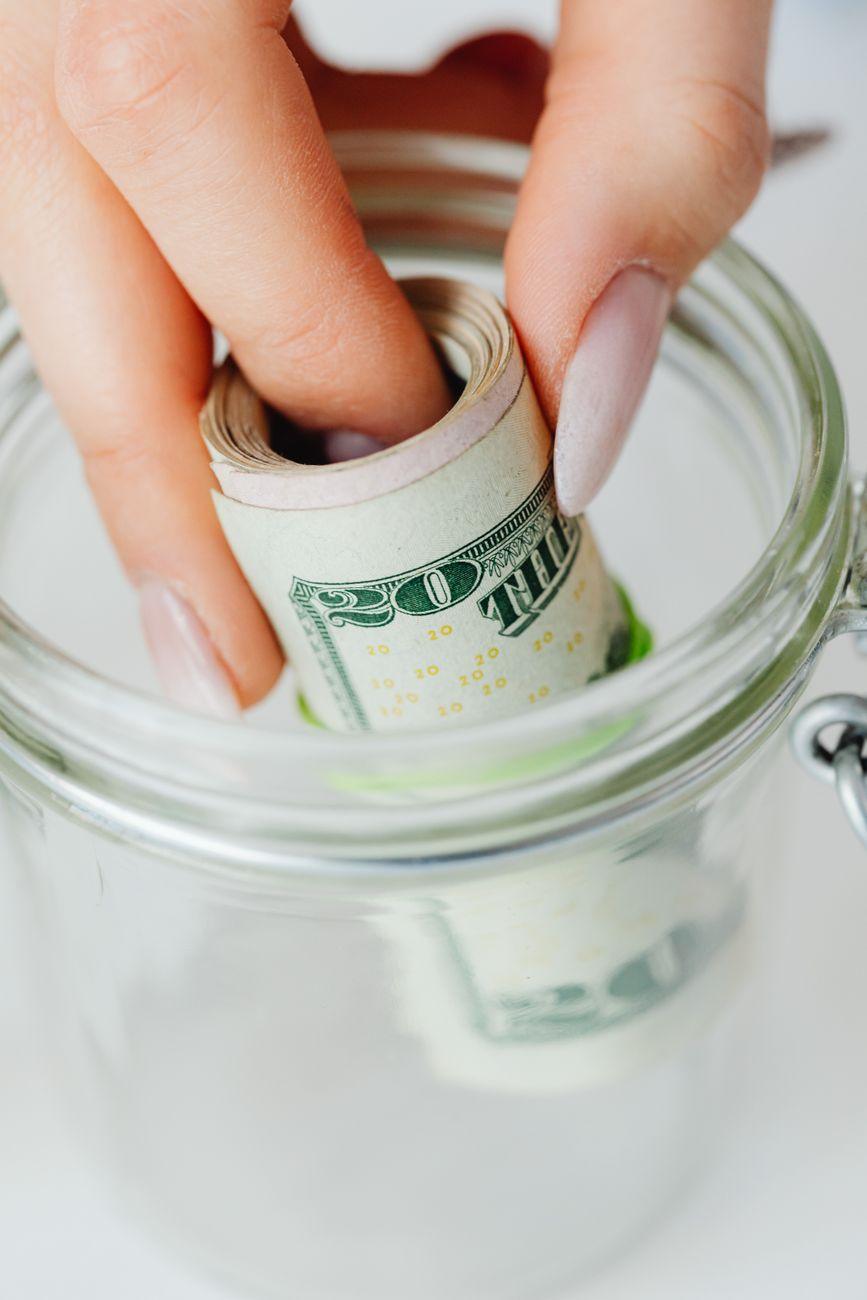
My bank account hit zero back in my early twenties when my transmission blew up on the way to a wedding. Paying two thousand dollars for car repairs I didn’t have felt like a punch to the gut, but that’s the reality of living without an emergency fund. Most people assume they’ll just use a credit card in a pinch, but staring down a twenty percent interest rate from Investopedia’s take on credit card debt is a nightmare nobody needs.
Saving money is boring until it isn’t. You should aim to stash enough to cover three to six months of living expenses, or at the very least, a one thousand dollar starter pot to handle the immediate nonsense life throws your way.
Six months of expenses is a massive, daunting number for most people to hit. I’ll be honest—I think the one-size-fits-all advice of saving six months of cash is often a recipe for giving up before you even start. It’s incredibly frustrating to track every penny for a year just to feel like you’re making no progress because your high-yield savings account interest is barely keeping up with inflation.
Building an emergency fund works best when you automate the pain. Set up a recurring transfer of fifty to one hundred dollars from your paycheck directly into a separate bank account. If you can’t see the cash, you won’t spend it on weekend drinks or impulse orders.
Having liquid savings is the only way to avoid predatory payday loans when the walls close in. That money isn’t for a vacation or a new laptop; it’s strictly for the stuff that breaks your life if you don’t pay for it today.
Some people leave their reserve fund in a regular checking account, which is a total mistake because they end up spending it. Put that emergency stash in a completely different bank across town. You need to make it just annoying enough to withdraw that you’ll think twice before dipping into it for a “cool” purchase.
Market volatility makes me nervous about relying on investment accounts for immediate emergencies. If you need access to five thousand dollars on a Tuesday and the stock market is down, you’re forced to sell at a loss. NerdWallet’s guide on savings buckets usually suggests keeping physical cash reserves safe and separate from volatile assets.
Most people are one bad week away from being broke. Financial freedom is actually just a safety net that allows you to quit a job you hate without starving. You probably don’t need an emergency fund at all if you actually enjoy living in a constant state of panic.