
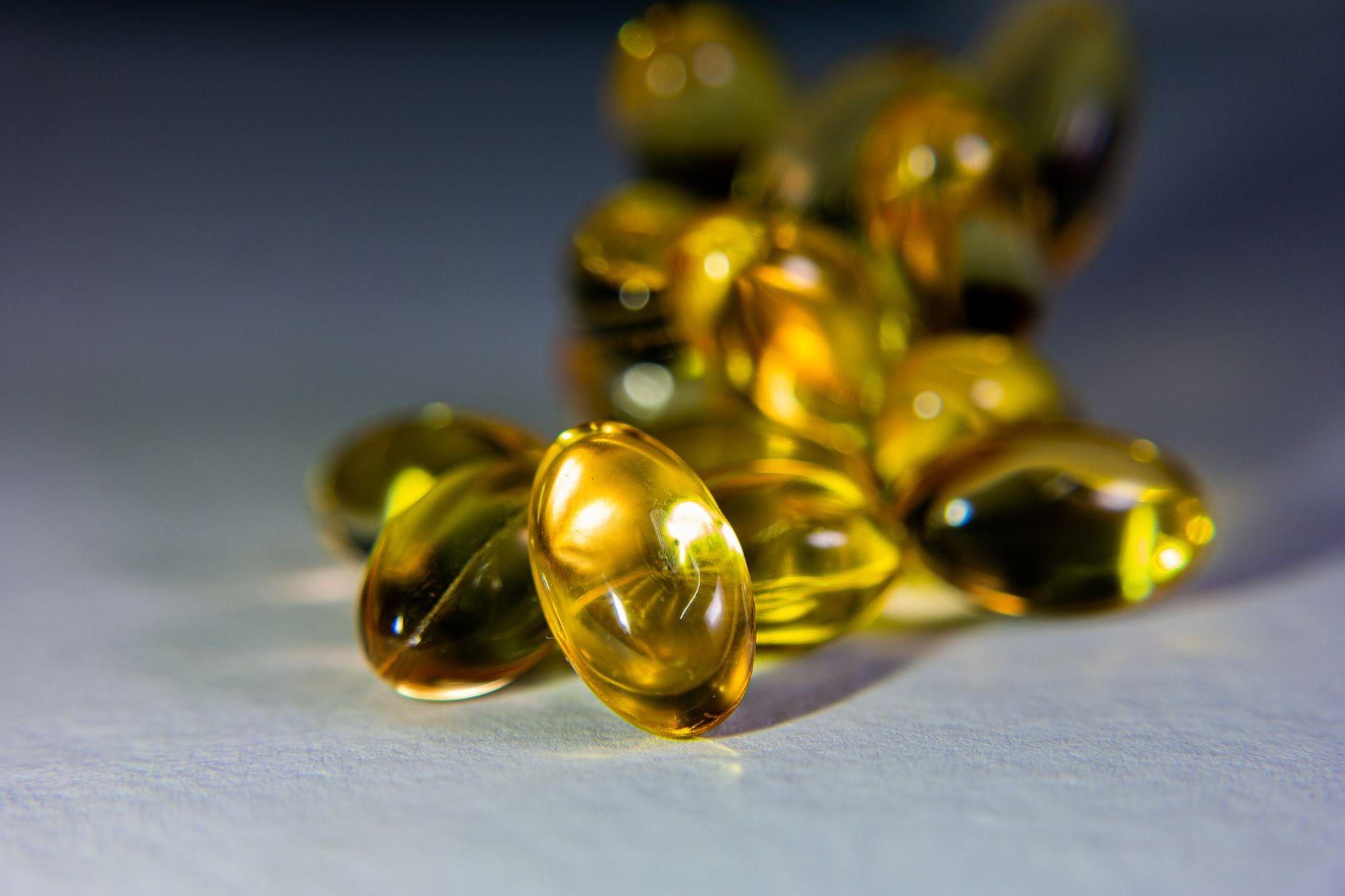
Vitamin E is the most misunderstood nutrient sitting in your supplement cabinet right now. Most health gurus obsess over Vitamin D or Vitamin C, but they completely ignore the lipid-soluble powerhouse that acts as a primary neuro-protectant for your brain. Researchers have found that maintaining optimal serum levels of Alpha-Tocopherol can reduce your ischemic stroke risk by roughly 20% to 30%.
$40 per year spent on a natural-source vitamin E supplement is cheap insurance against the kind of neurological damage that changes your life overnight. I honestly think it’s criminal how little the average doctor talks about the prevention of oxidative stress in the arteries. You’re essentially feeding your vascular system high-grade engine oil to keep the gears turning smoothly without rust.
I spent three weeks trying to find a high-quality d-alpha-tocopherol supplement only to realize that most synthetic vitamins—often labeled as dl-alpha-tocopherol—are practically useless because the body can’t absorb them efficiently. It makes me want to scream when I see people wasting their hard-earned money on low-bioavailability junk from the local supermarket clearance rack. Check out the National Institutes of Health overview on Vitamin E if you want to understand why natural vs. synthetic isn’t just marketing hype.
High-dose Vitamin E isn’t a silver bullet for everyone, and this is where you need to be careful. If you’re already on blood thinners like Warfarin or Coumadin, taking too much extra Vitamin E can actually increase your hemorrhagic stroke risk because it thins the blood significantly. You aren’t just popping a magic pill; you’re messing with a delicate coagulation system that keeps you alive.
2,000 milligrams a day is the upper intake limit set by officials but playing in that range is just asking for internal bleeding. You should aim for a much more conservative 15 to 30 milligrams of mixed tocopherols unless your blood work tells you otherwise. Getting your levels checked via a standard lipid panel and blood test is the only way to avoid flying blind.
Almonds, sunflower seeds, and spinach are the real-world delivery vehicles for this stuff. I’d take a handful of raw nuts over a plastic bottle of pills any day of the week. Real food contains the full spectrum of tocopherols and tocotrienols, which work together in a way that isolated capsules simply cannot replicate.
Natural Vitamin E is essentially useless if you don’t eat it alongside a healthy fat source like avocado or olive oil. Your body effectively ignores the fat-soluble nutrient if your gut is empty, leaving you with little more than expensive bathroom waste. It’s a classic case of biological inefficiency that most people learn the hard way.
Strokes aren’t just “bad luck” or “bad genetics.” They are often the result of decades of inflammation that you chose to ignore until the body finally gave up the ghost. Stop acting like your vascular health is something you can negotiate with once the damage is irreversible.