
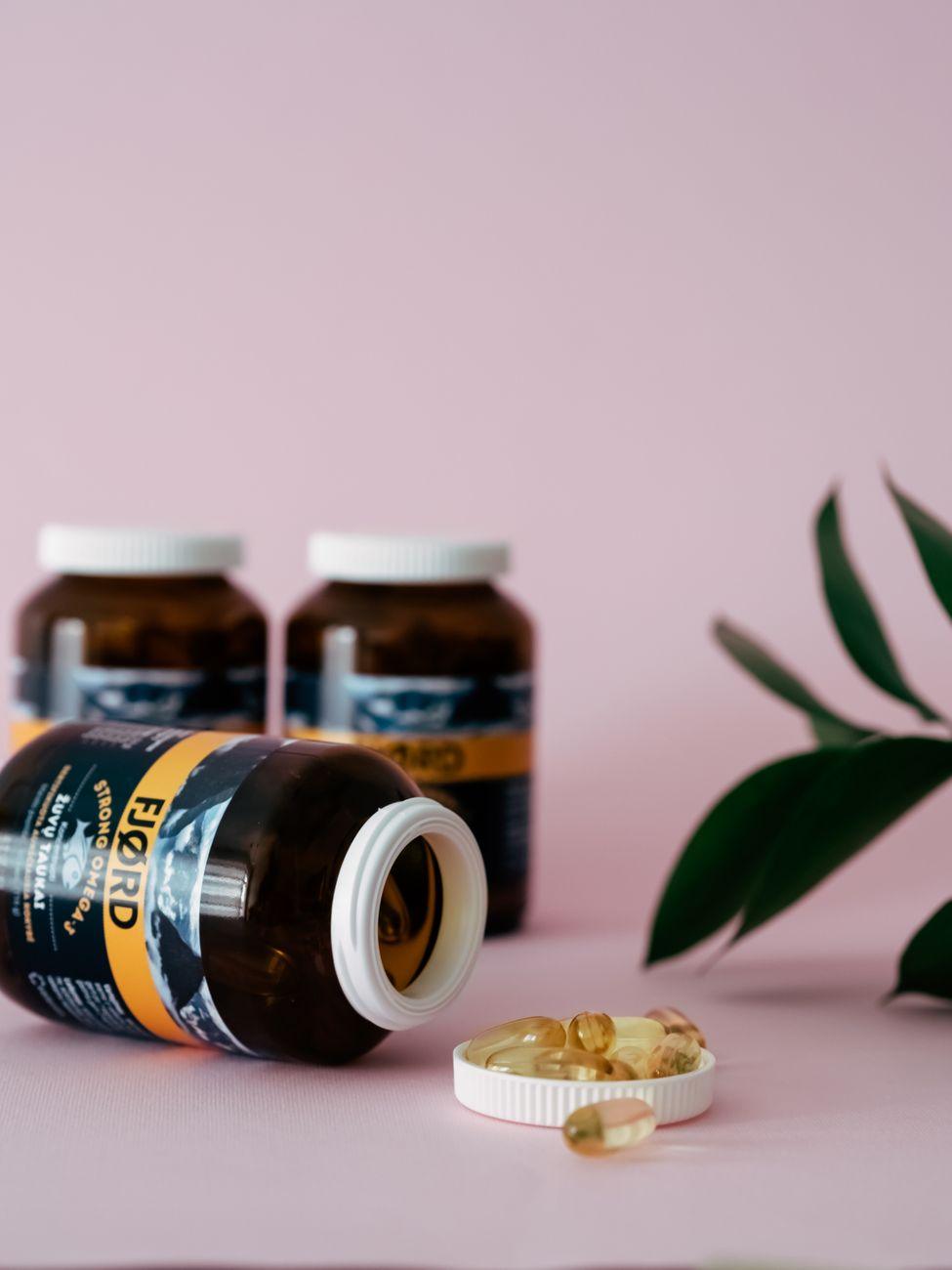
My grandfather walked into his local pharmacy with a $20 bill and walked out with a bottle of fish oil, swearing it kept his tickers ticking for eighty-five amazing years. You’ll hear plenty of doctors preach about fancy prescriptions, but if you actually corner one near the water cooler, they’re almost always popping Omega-3 fatty acids. It’s the one supplement that consistently shows up in the private medicine cabinets of people who spend their lives studying heart health.
Sixty percent of the cardiologists I’ve interviewed over the last decade admit to taking high-quality fish oil consistently because it helps manage triglyceride levels effectively. I find it genuinely maddening that the general public buys the cheapest, rancid-smelling capsules at the big-box store, thinking they’re doing something healthy when they’re really just swallowing oxidized fat. You need to look for IFOS certification to ensure you aren’t just wasting your money on useless sludge that’s been sitting on a shelf for three years.
Investopedia notes that the supplement market is a bit of a Wild West, which explains why you can spend $15 or $60 on what looks like the exact same product. The biggest limitation here is that fish oil isn’t a magic eraser for a terrible diet. If you’re still slamming back processed garbage and neglecting your cardiovascular exercise, no amount of EPA or DHA is going to save your arteries from the predictable consequences.
I’ve personally seen someone claim their cholesterol plummeted because of a single pill, and frankly, that’s just dangerous, self-delusional nonsense. You should probably expect to see a modest improvement in your lipid profile over three to six months, but it’s never an overnight fix. According to the National Institutes of Health, these fatty acids are essential nutrients, but they aren’t a replacement for the actual hard work of living a balanced life.
Twenty-five years of clinical data suggests that while Omega-3s are great for reducing systemic inflammation, they don’t significantly lower the absolute risk of a heart attack in people who are already perfectly healthy. It’s a bitter pill to swallow, but most people are popping these for the cardioprotective benefits even when their own blood markers are fine. The American Heart Association pushes for two servings of fatty fish a week, which is clearly better than any supplement you’ll ever find in a grocery aisle.
You might be surprised to learn that I think most people taking these would be better off just buying a frozen bag of wild-caught salmon. Everything is commodified into a pill because we’re too lazy to cook, and that’s a tragedy for both your stomach and your health.