
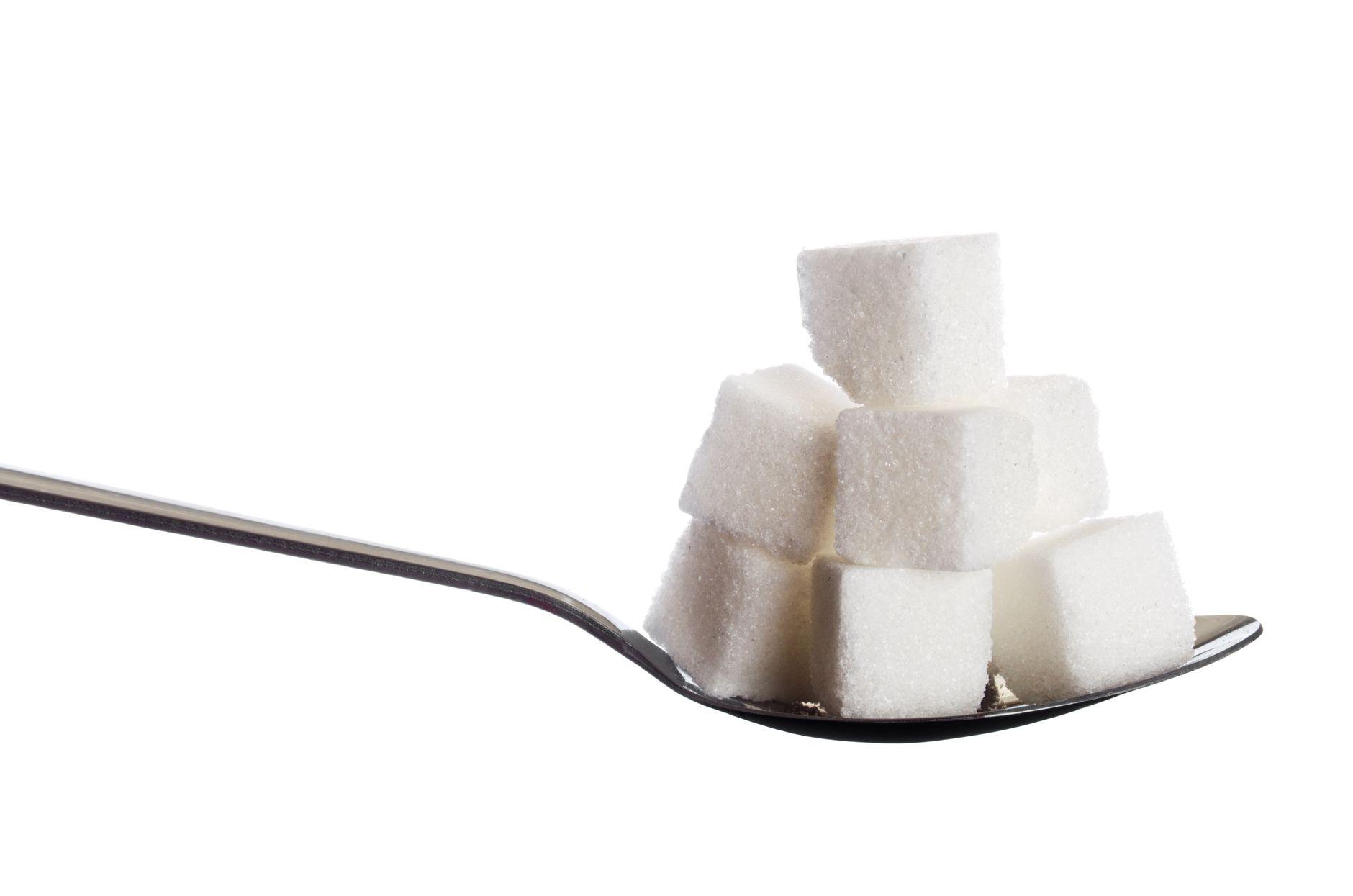
I once watched a friend down a third 64-ounce blue sports drink of the day while complaining about a persistent, dull ache in his lower back. Most people treat sugar-sweetened beverages like they’re just flavored water, but your kidneys are screaming for mercy every time you chug that syrupy, neon-colored liquid. You’re essentially dumping high-fructose corn syrup and artificial dyes into a delicate filtration system that was never designed to process that much metabolic sludge.
50% of the population has no idea that their soda habit is linked to chronic kidney disease and nephrolithiasis, or what most of us just call painful kidney stones. It’s honestly maddening how companies market this stuff as a way to stay hydrated when it’s doing the exact opposite. If you look at the latest clinical research from the National Kidney Foundation, it’s clear that chronic dehydration spikes the risk of forming those jagged little rocks that make you wish you were dead.
$2 per bottle is far too much to pay for a lifetime of renal damage and elevated blood pressure. I personally think it’s criminal that schools still allow these sugar-loaded drinks in vending machines while we act surprised that youth obesity and metabolic syndrome are skyrocketing. You’re trading your long-term organ function for a temporary sugar rush that lasts about 20 minutes.
Excessive caffeine intake from your morning energy drink obsession can also force your kidneys to work double-time to balance your electrolyte levels. Many of these drinks contain hundreds of milligrams of caffeine, which acts as a diuretic and depletes the very fluid your body needs to flush out toxins. I’ve been there, staring at a computer screen at 2:00 AM, thinking another caffeinated soda was the answer, only to realize I was just dehydrating myself into a brain-fogged mess.
Sodium levels in processed food are just as dangerous as the sugar in your cup because they force your kidneys to retain water, which spikes your blood pressure and damages those tiny, fragile nephrons. If you check the guidelines from the American Heart Association, you’ll see that most people consume double or triple their recommended daily sodium intake. Your kidneys handle the heavy lifting of cleaning your blood, but they aren’t miracle workers that can ignore a salty, sugary diet indefinitely.
Kidney function doesn’t just bounce back once you’ve crossed that threshold into Stage 3 or 4 damage, which is a terrifying reality that nobody talks about. You can read up on the symptoms of kidney failure at MedlinePlus to understand why catching these habits early is the only real play. The damage is cumulative, quiet, and often irreversible, leaving you to deal with the consequences long after you’ve forgotten the taste of that iced latte or fizzy soda. Perhaps you should stop viewing your body as a machine that can be fixed and start treating it like the fragile, decaying biological container it actually is.