
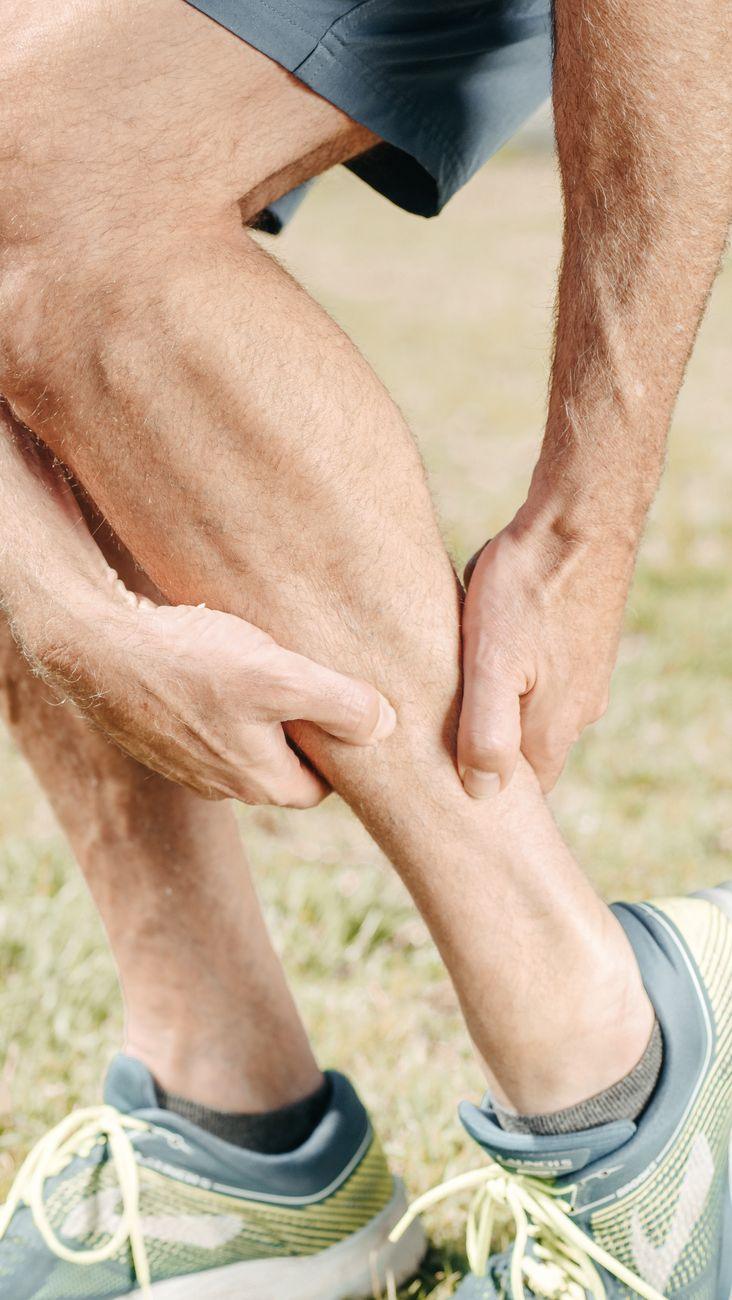
Waking up at 3 AM with a charley horse that feels like your calf muscle is trying to tear itself off the bone is an experience I wouldn’t wish on my worst enemy. I’ve spent months dealing with these nocturnal leg cramps, and honestly, it’s maddening how little attention doctors pay to this painful muscle spasm. You’re lying there, clutching your leg, gasping, and wondering if you did something wrong during your afternoon run or if your body is just failing you.
Eighty percent of adults deal with this at some point, according to research from the Cleveland Clinic, but the cause is rarely straightforward. Most people point to dehydration, and sure, chugging sixty-four ounces of water a day is a smart move, but I’ve been perfectly hydrated and still spent the night hopping around my bedroom like a frantic flamingo.
Electrolyte imbalance is another common culprit, specifically when you’re low on potassium, magnesium, or sodium. I actually started adding a magnesium glycinate supplement to my nightly routine, and while it didn’t kill the cramps overnight, it definitely dialed back the frequency from three times a week to maybe once a month. My personal opinion? Most of us are just walking around with systemic mineral deficiencies because our modern diet is loaded with processed junk that strips away the good stuff.
Stretching before bed is the only thing that actually keeps me sane. If you take five minutes to do a simple calf stretch leaning against a wall, you’ll feel the tension release before it becomes a full-blown emergency. You should check out the Mayo Clinic’s guide on muscle cramps if you want to understand the exact anatomy of what’s snapping back there, but don’t expect a magic pill to fix it instantly.
Forty dollars is about what I’ve wasted on various foam rollers and massage guns that promised to end my suffering, but most are just glorified plastic vibration machines. It drives me absolutely crazy when fitness influencers sell these vibrating recovery tools as a total cure, because let me tell you, that buzzing sound doesn’t do a damn thing when your gastrocnemius is balled up into a tight, impossible knot.
Poor circulation and sitting in a chair for eight hours a day is likely why your blood isn’t moving efficiently by the time you hit the sheets. If you aren’t getting up to walk around every hour, your muscles get lethargic and cold, making them prone to seizing up the second you relax. You might want to look into information on venous insufficiency from the National Heart, Lung, and Blood Institute to see if you have underlying vascular issues, though most of us are just too sedentary for our own good.
Gentle movement is vastly superior to intense weightlifting when you’re experiencing chronic nightly flare-ups. Stop trying to “push through” the pain by hitting the gym even harder, because sometimes your tired muscles are just begging for a rest day rather than more punishment. Pain is not a badge of honor, and frankly, ignoring your body just to keep your activity streak going is pretty stupid.