
120 over 80 is the magic number doctors love to throw around, but chasing it like a golden ticket is usually a waste of time. My own father spent 20 years popping pills that made him feel like a zombie just because his readout was a few points high. He eventually ignored the fear-mongering and started walking three miles daily, which honestly did more for his systolic blood pressure than any pharmaceutical intervention ever could.
Low-sodium diets get pushed by every clinic in the country, yet most people can’t stick to them for more than a week because food tastes like cardboard without salt. Cutting back to under 2,000 milligrams of sodium is a miserable existence if you enjoy actually living. The real problem is how much processed junk we shovel into our faces instead of focusing on magnesium-rich foods like spinach or black beans that actually help your arteries stay flexible.
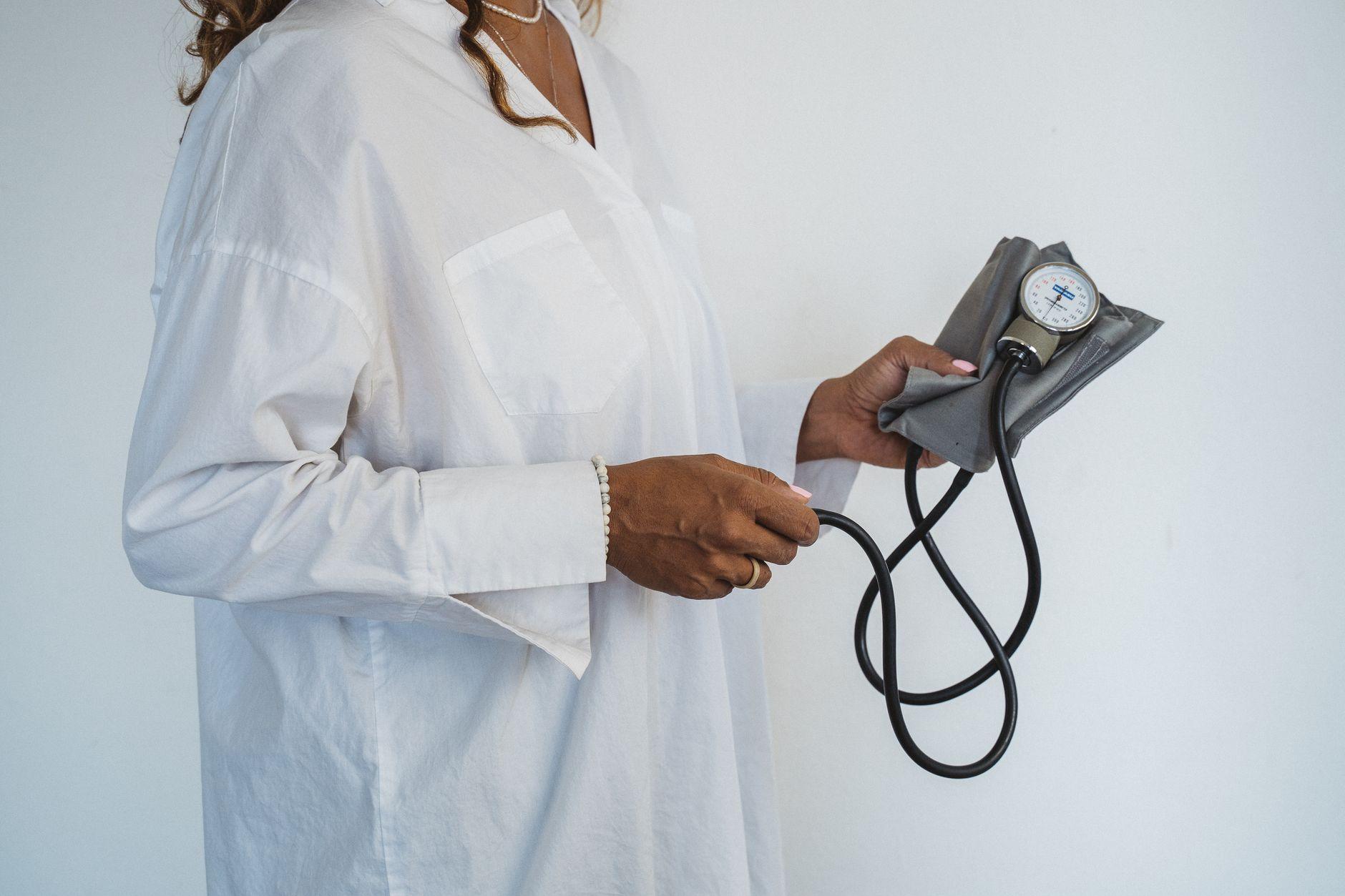
150 dollars is roughly what you’ll drop on a decent home blood pressure monitor that doesn’t glitch out, but most folks treat these things like holy relics. I once had a device show me a spike of 180 over 100 just because the strap was too tight on my arm. It is incredibly annoying how much anxiety these gadgets create for people who are perfectly fine. If you want to see how these devices are regulated, check out the official FDA guidance on medical devices, because they aren’t nearly as accurate as your doctor wants you to believe.
Deep breathing exercises like box breathing are usually dismissed as “woo-woo” nonsense, but they are surprisingly effective at hacking your parasympathetic nervous system. Just spending five minutes a day slowing your heart rate can shift your diastolic pressure downward without costing a single cent. I think most people fail here because they expect an overnight fix instead of realizing that cardiovascular health is a lifelong commitment.
30 to 60 minutes of intense activity seems to be the sweet spot for keeping your circulatory system in check, but you don’t need a gym membership. Honestly, most blood pressure medication side effects are worse than the condition they’re treating, according to data from Investopedia on the economics of healthcare. You’ll see dizziness, fatigue, and constant dehydration, which makes you wonder why we rush to lock ourselves into a lifetime of daily dosing.
Cold plunges are the latest trend that people are obsessing over, and while they do trigger a massive spike in norepinephrine, the long-term impact on hypertension is still mostly anecdotal. You might enjoy the rush, but don’t expect it to replace a balanced life. Some people swear by the DASH diet patterns as the ultimate cure, but it’s really just a fancy way of saying “eat your vegetables and stop eating garbage.”
High-intensity interval training is brutal, yet it manages to condition your heart to handle stress spikes better than walking will ever achieve. You should be more concerned about the stress in your life than the specific output on your digital monitor. Most of what we call “natural fixes” are actually just basic common sense that we lost when we decided to outsource our health to the nearest prescription pad.