
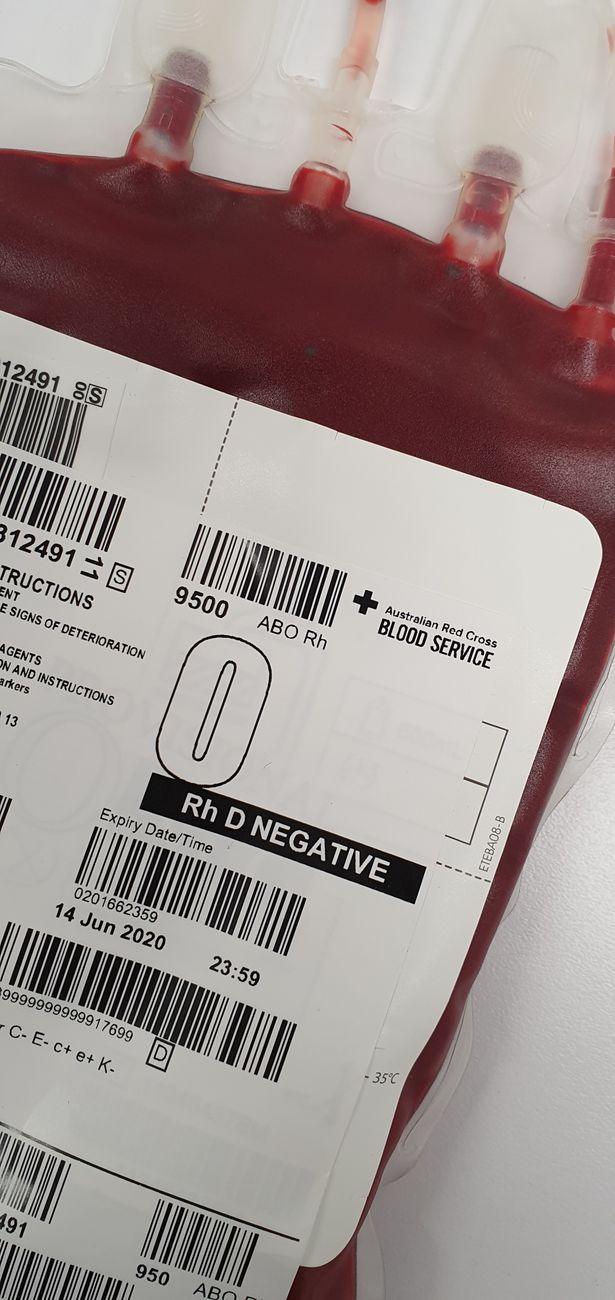
A type O negative blood card sitting in my wallet has saved my life more than once during chaotic ER visits. Being a universal donor feels heroic until you realize that if you ever need a transfusion yourself, you’re stuck waiting for the exact same O negative match while everyone else gets compatible options. It’s a bitter pill to swallow when you’re bleeding out and hear the nurses panicking because they’re fresh out of your specific red blood cell type.
Eighty-five percent of the human population carries the Rh factor protein on their cells, which classifies them as Rh positive. If you lack this protein, you are Rh negative, a status that creates massive logistical nightmares for hospitals during shortages. According to the American Red Cross, those with O negative blood are the most sought-after donors because their cells can be given to anyone in an emergency regardless of the recipient’s blood type.
I’ve personally spent four hours hooked up to an apheresis machine in a sterile clinic, feeling like a human juice box while the staff thanked me for my rare donation. It’s physically draining and leaves your iron levels bottomed out for days afterward, yet the medical community treats you like a celebrity while simultaneously knowing they might dump your supply into a stranger in under ten minutes. You rarely get a thank you notification that tells you where it went; you just get a vague email two weeks later saying your donation helped someone somewhere.
Type AB positive individuals are the universal recipients, meaning they can safely receive blood transfusions from any other group. This total flexibility sounds like a superpower, but it often makes doctors overly casual about their clinical care since they don’t have to stress about incompatibility reactions. It genuinely irritates me that nature rewards certain people with biological safety nets while others are forced to be the constant providers for the collective.
Medical professionals identify these classifications using the ABO System, which categorizes people based on the presence of specific antigens. Having type A, type B, type AB, or type O isn’t just about trivia; it’s about survival during a trauma event. If you wind up in a rural hospital with a rare blood type that they don’t screen for, you are essentially gambling with your own mortality.
Scientific research published by Nature suggests that your blood type might even influence your risk for specific health conditions, though the data remains messy and inconsistent. People love to peddle blood type diets as if eating kale can override your genetic blueprint, which is absolute nonsense. My frustration peaks whenever I hear someone claim that their o-negative status makes them “spiritually superior” or somehow more resilient to common viruses.
Being a universal donor doesn’t qualify you for a tax break or even a free cup of juice that isn’t watered down. It only qualifies you for more phone calls from blood banks at dinner time. Most people would be better off ignoring what their blood type supposedly says about their personality and focusing more on finding a decent doctor who doesn’t treat you like a collection of test results.