
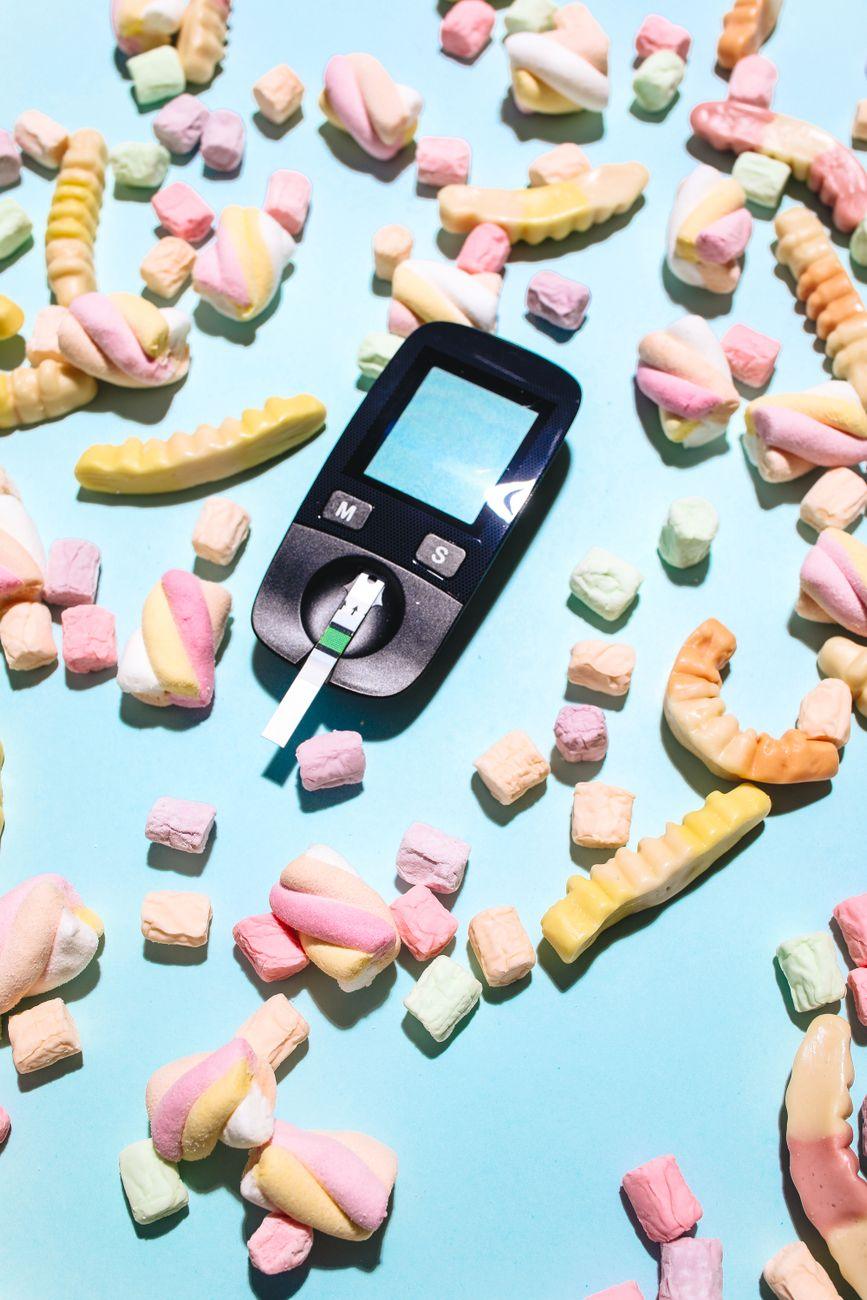
I spent $12 on a fancy “zero-sugar” soda yesterday only to realize my afternoon blood sugar spike felt exactly the same as if I’d chugged a regular cola. It’s infuriating how food marketing fools us into thinking we’re avoiding diabetes when we’re actually just tricking our metabolism with chemical mimics. Most people assume that swapping sucrose for aspartame or sucralose is a free pass, but those artificial sweeteners have a way of confusing your pancreas and potentially messing with your insulin sensitivity according to recent studies from Harvard Health Publishing.
Sweetener consumption is linked to a 15% to 50% increase in the risk of metabolic syndrome in some longitudinal studies. I’ve noticed that when I drink diet beverages, my cravings for actual sugar don’t go away—they multiply like a wildfire in August. It’s my firm belief that these lab-created additives keep our brains hooked on the reward sensation of sugar without providing the satiety that comes from real food.
Zero-calorie packets are often bulked out with dextrose or maltodextrin, which are just refined carbohydrates disguised under a different name. You might think you’re safe using a packet of stevia, but when you realize the label says it contains 1-2 grams of invisible carbs, the math on your daily glucose limit starts to look pretty bleak. This kind of nutritional obfuscation is why I’ve pretty much stopped trusting anything that comes in a colorful individual wrapper.
Aspartame remains one of the most controversial food additives on the planet despite being declared safe by the FDA guidelines. I’m honestly shocked that we’ve collectively agreed to treat these neuro-reactive substances as benign while ignoring the mounting evidence regarding gut microbiome disruption. When your gut bacteria suffer, your ability to manage blood glucose levels plummets, making Type 2 diabetes prevention significantly harder.
Drinking water is about as exciting as watching paint dry, but it’s the only way to avoid the artificial feedback loop created by these drinks. The World Health Organization now suggests we steer clear of non-sugar sweeteners for weight control because they simply don’t provide the long-term health benefits everyone initially promised us, as detailed in their official health guidelines. If you ignore your body’s natural hunger cues by blasting your taste buds with super-sweet stimulants, you’re just begging for metabolic dysfunction.
Sugar addiction isn’t cured by replacing the source, it’s cured by eventually stopping the behavior of seeking sweetness altogether.