
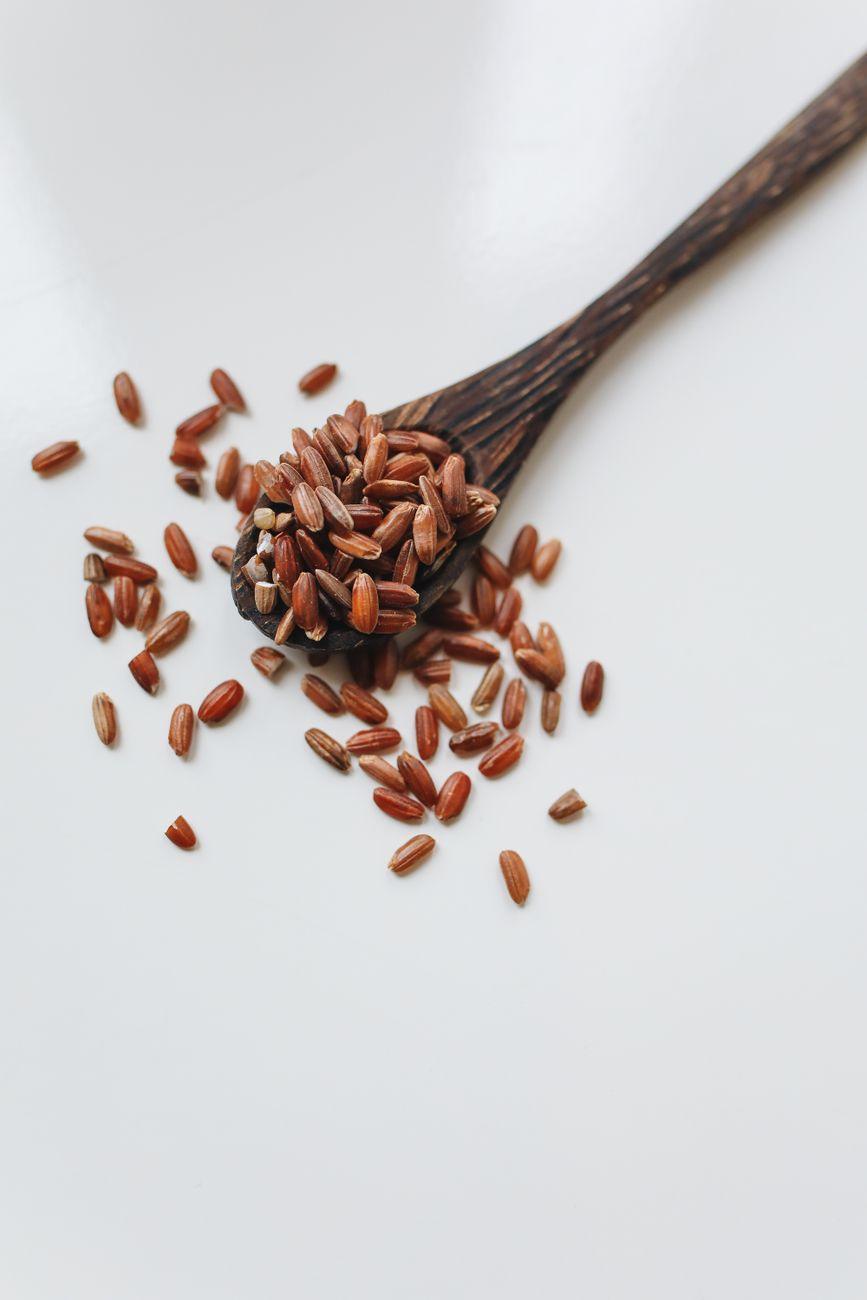
Red yeast rice is honestly the most infuriating supplement I’ve ever researched. I spent about $40 on a boutique brand last year after hearing the hype about it acting like a natural statin, and while my latest lipid panel showed a 15% drop in LDL cholesterol, I felt like I was playing Russian roulette with my own liver. The active ingredient, monacolin K, is chemically identical to lovastatin, meaning you are effectively self-medicating with a prescription-grade drug without the oversight of a doctor.
Most people don’t realize that regulatory agencies like the Food and Drug Administration have zero control over how much monacolin K ends up in your bottle. I’ve seen versions containing almost nothing, and others packed with doses strong enough to cause rhabdomyolysis, a dangerous muscle breakdown that lands people in the hospital. It’s absolutely wild that you can just walk into a health food store and buy something that messes with your HMG-CoA reductase inhibitors pathway without a pharmacist weighing in on the risks.
Lowering cholesterol is objectively vital, but relying on these uncontrolled supplements is a recipe for disaster. If you look at the research over at Investopedia regarding the economics of healthcare, you’ll see that standard statins are actually incredibly cheap, yet we’re obsessed with buying these mysterious, unregulated extracts just because they sound “natural.” I genuinely believe the wellness industry is just preying on the fact that people are terrified of the side effects listed on traditional prescription drug inserts.
Studies show that consistent use of high-quality red yeast rice can fluctuate your cholesterol levels by 10% to 25% if you’re lucky, but the lack of standardization makes the results completely unpredictable. I got so frustrated with the inconsistent lab results that I dumped my entire stash down the drain one Sunday morning. You’re essentially gambling your liver enzymes on a gamble that the manufacturer cleaned the product of citrinin, a toxic byproduct that can literally give you kidney failure.
NerdWallet often highlights how expensive poor health decisions become over a decade, and trusting a bottle with a vague label is the ultimate financial and physical lapse in judgment. My doctor looked at me like I had two heads when I brought this up during a physical, and frankly, he was right to be skeptical. If you want real results, get a blood test and stop treating your body like a DIY science project just because a podcast host told you that nature knows better than modern medicine. Anyone who tells you that natural supplements are inherently safer than pharmaceuticals has clearly never seen a patient suffering from myopathy caused by unlisted contaminants.