
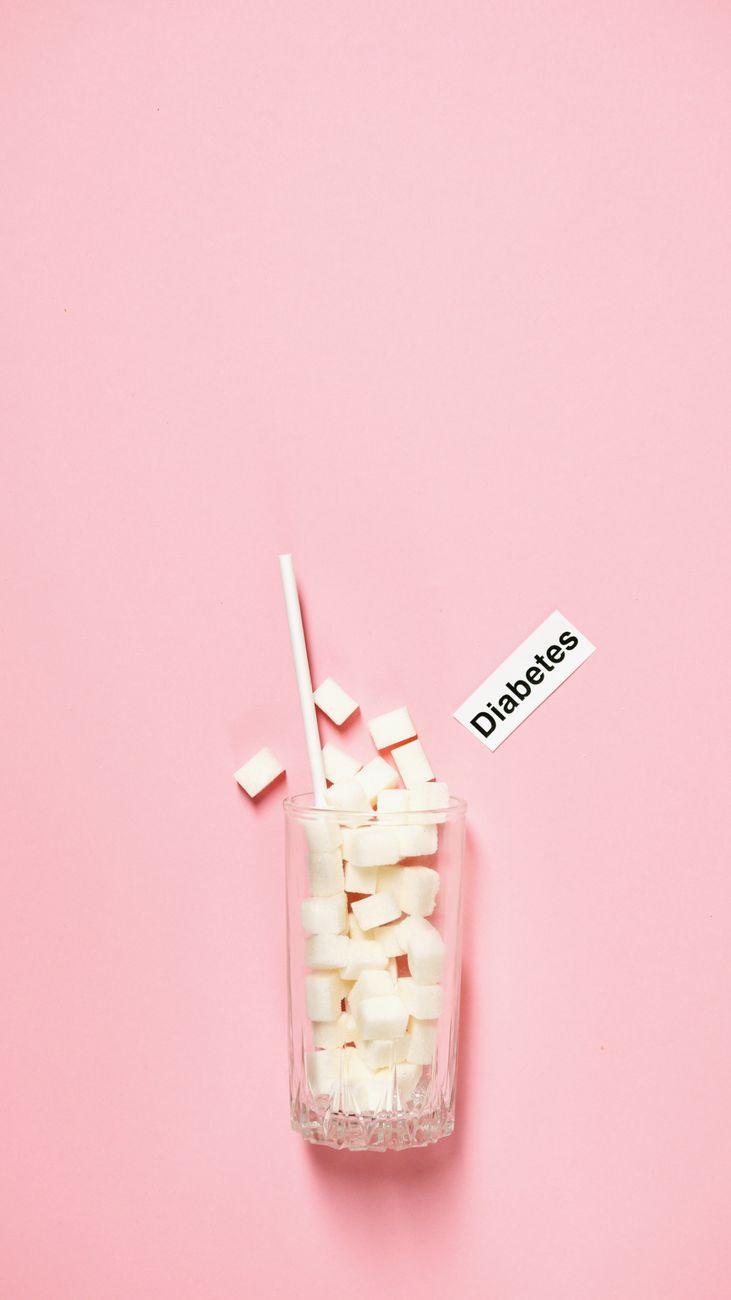
Doctors act surprised when you bring up the idea of reversing Type 2 diabetes, but the clinical reality is that many people can achieve remission through aggressive lifestyle intervention. I spent about $500 on wearable continuous glucose monitors just to see how my blood sugar reacted to different snacks, and the results were honestly infuriating. My fasting glucose would spike into the 180-200 mg/dL range after eating “healthy” oatmeal, yet my primary care physician insisted that insulin resistance is simply a progressive, permanent condition.
Type 2 diabetes isn’t always a life sentence, yet the standard medical model relies heavily on metformin and other prescriptions instead of aggressive nutritional therapy. You are usually only told to “eat less, move more,” which is essentially useless advice because it ignores the hormonal power of insulin sensitivity. You can read more about the management of blood glucose levels provided by the government health services to see how baseline guidelines often lag behind recent metabolic research.
Low-carb, high-fat diets—often called ketogenic protocols—can drop your haemoglobin A1c levels significantly within three to six months. I stopped eating processed grains entirely and watched my blood sugar stabilize to normal levels faster than I ever thought possible. It’s wild that we have a proven biomarker for progress like A1c, yet most offices wait until you have nerve damage or retinopathy before suggesting a radical change in diet.
Intermittent fasting is another tool that forces your body to switch its primary fuel source and strip away excess visceral fat. By constricting your eating window to just six to eight hours a day, you give your pancreas a genuine vacation from constant demand. If you want to dive deep into how these metabolic pathways actually function, Investopedia offers a decent breakdown of the healthcare industry dynamics that keep the current system profitable.
Weight loss drugs like Ozempic get all the headlines right now, but they often mask the underlying issue while stripping away muscle mass. Relying on an injected GLP-1 agonist costs thousands of dollars a year and creates a dependency that is difficult to break once you stop the medication. It’s annoying to watch people shell out massive monthly fees for a needle when they could potentially see similar metabolic improvements by simply fixing their insulin-to-glucagon ratio through food.
Physical exercise, specifically heavy resistance training, forces your muscles to act as a glucose sink that sponges up sugar from your blood without needing extra medication. I’m honestly shocked more people don’t prioritize lifting heavy things before resorting to polypharmacy. You can find objective data regarding heart disease and diabetes to see exactly how these health markers correlate with long-term survival, but it rarely happens in a standard ten-minute appointment.
Chronic inflammation remains the unaddressed silent partner in almost every chronic metabolic diagnosis. You won’t find many doctors willing to write a prescription for deep sleep or stress management, even though documented cortisol spikes do more to elevate your blood sugar than most people realize. Relying entirely on a doctor to fix your metabolic health is the fastest way to stay sick forever.