
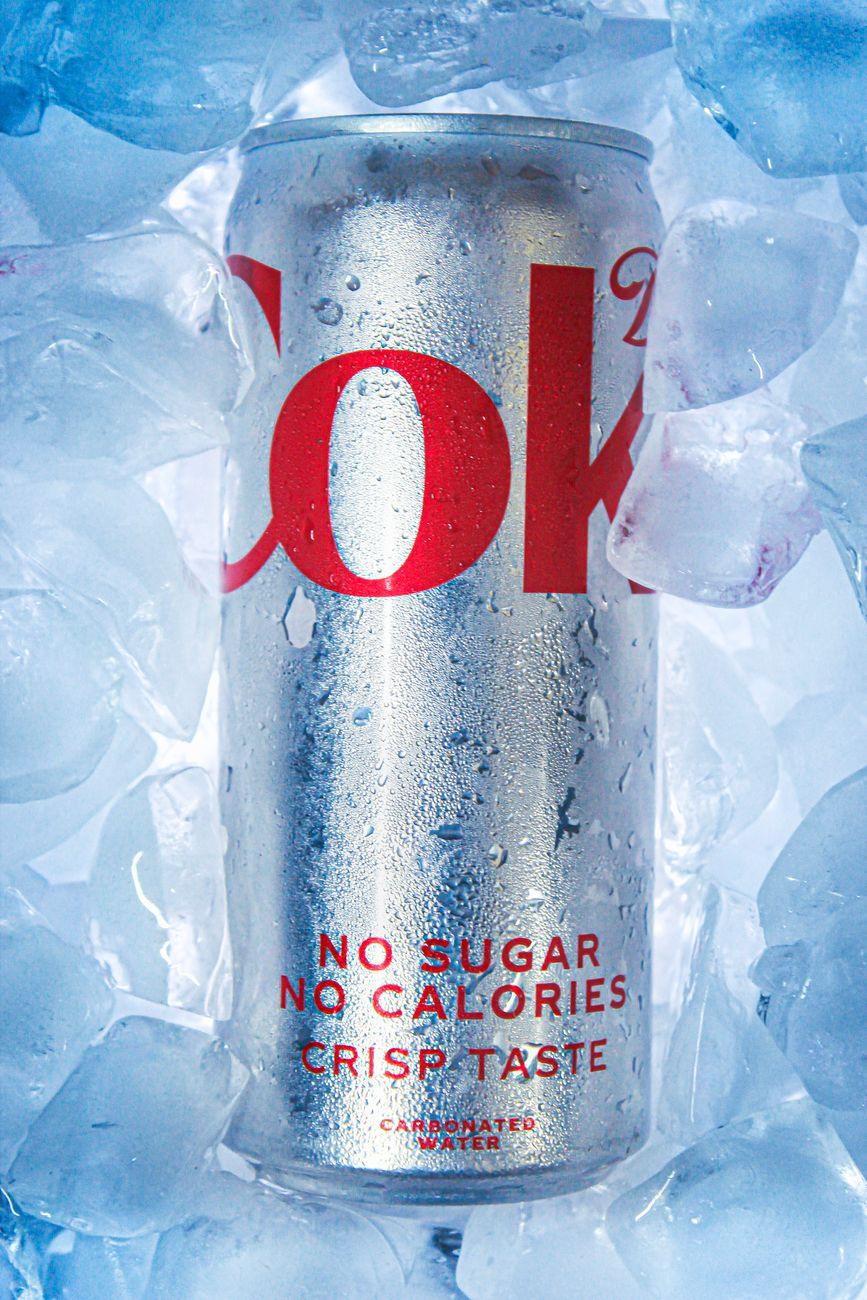
I spent $4,000 on dental work last decade because I was addicted to the fizz of Diet Coke, and my enamel paid the price. Most people think they’re playing it safe by skipping the sugar, but swapping soda for artificial sweeteners like aspartame or sucralose isn’t a free pass for your chemistry. When you sip one of these zero-calorie drinks, your taste buds signal your brain that something sweet is coming, yet your gut never receives the glucose spike it expects. This sensory mismatch creates a weird kind of cognitive confusion that can actually mess with your metabolic response over time.
Artificial sweeteners trigger dopamine pathways in the brain, similar to the hit you get from real caloric intake. You aren’t fooling your reward system as easily as you think, and the National Institutes of Health highlights how these chemical additives might alter how your body processes hunger. I personally despise how these drinks leave a metallic, chemical film on my tongue that makes a fresh apple taste like cardboard. It feels like a total scam.
2 to 3 servings a day is the threshold where many people report feeling a noticeable uptick in cravings for other high-calorie snacks. My frustration peaks when people claim diet soda helps with weight loss, despite studies showing high dietary reliance on non-nutritive sweeteners is linked to an increased risk of metabolic syndrome. You really have to question if the benefit of skipping calories matters when your appetite regulation goes off the rails. It is genuinely baffling that we collectively ignore how these synaptic signals change our cravings.
15 to 20 percent of heavy diet soda users develop a strange anxiety loop where they feel physically jittery but mentally unsatisfied. This isn’t just the caffeine talking, as even decaf versions seem to trigger that restless, “hangry” feeling if you haven’t eaten a proper meal. You can check out the breakdown of how sugar substitutes work to see why the body struggles to count these calories, or lack thereof. The bottom line is that your brain is looking for a payday of energy that never arrives, leaving you searching the pantry for something substantial just ten minutes later.
Science has yet to fully map out the long-term cognitive impact of daily sucralose exposure, which is a massive red flag. We are essentially running a giant, unmonitored health experiment on ourselves. According to data from Forbes, the industry pushing these sugar-free alternatives generates billions of dollars by banking on our desire for an easy out. I don’t care what the marketing teams say; diet soda drinkers are just switching one set of health problems for a more confusing, chemically dense headache.
Drinking water is honestly a total bore, but it’s the only way to escape this weird neurochemical feedback loop. Most people would be better off chewing on a literal stick than continuing to confuse their synapses with chemical cocktails every afternoon.