
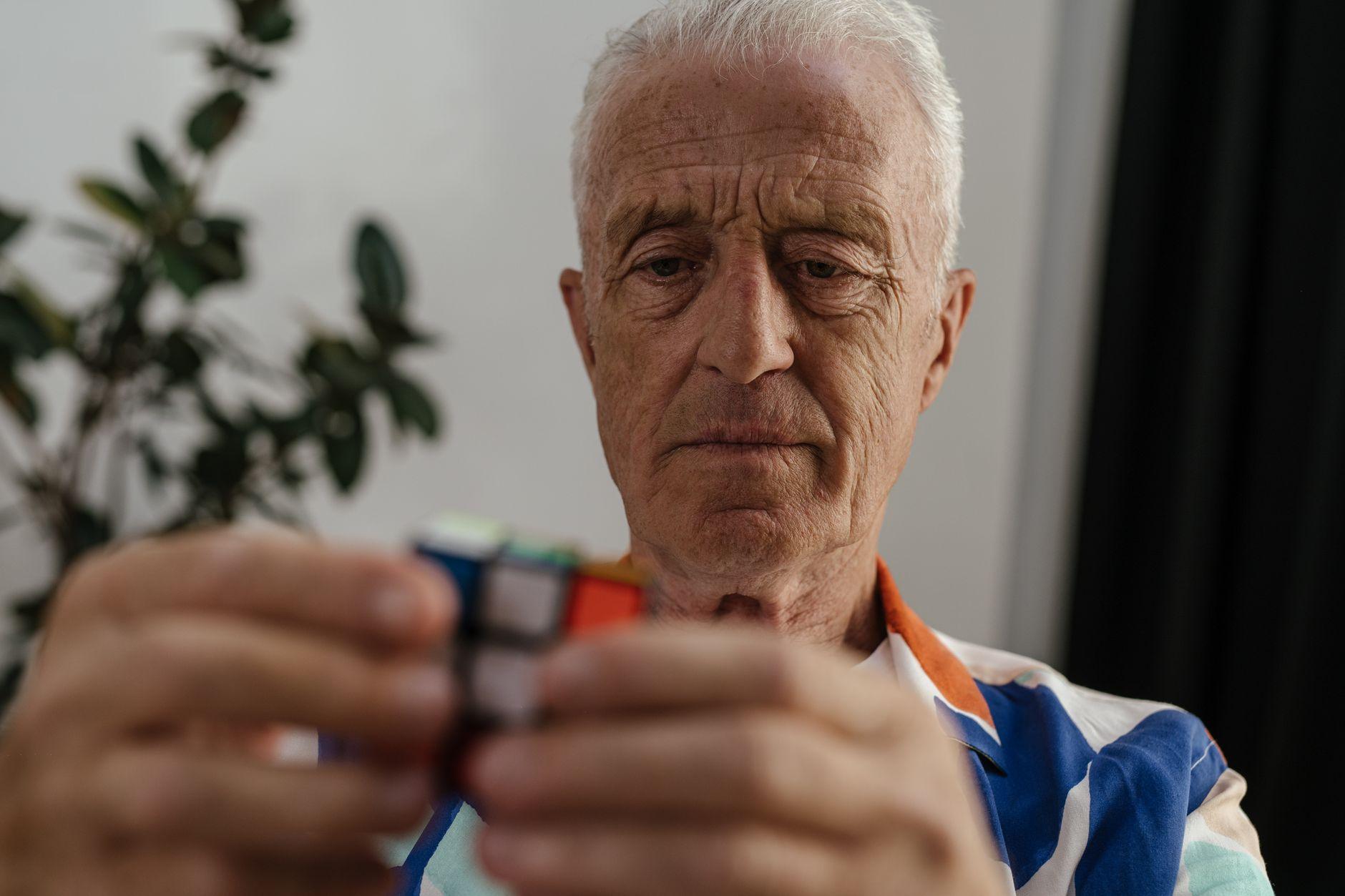
My grandfather spent his final years staring at a wall while forgetting my name, and I’ve spent the better part of a decade obsessed with how to avoid that specific nightmare. Neurologists agree that brain health isn’t about solving crosswords, but rather about challenging your cognitive reserve through novel movement and complex social interaction. You don’t need a doctorate to understand that neuroplasticity is your best defense against dementia and cognitive decline.
$500 a year is roughly what I spend on premium classes at my local gym just to force myself into dynamic balance training, which is far more effective for neuron growth than staring at a screen. Getting your heart rate up for 30 to 45 minutes every single morning through activities like pickleball or martial arts forces the brain to map new pathways in real-time. It’s honestly exhausting, and frankly, some mornings I just want to drink my coffee and rot on the couch rather than learning a new dance routine or kick-boxing combination.
Brain atrophy is a terrifyingly common reality for people who coast through their fifties and sixties without ever forcing their prefrontal cortex to work overtime. If you’re just doing the same morning jog or weightlifting routine you’ve done for 20 years, you’re doing your synapses zero favors because your body is essentially on autopilot. I sincerely believe that once you master a physical skill, it stops being a preventative health measure and becomes just another mindless chore.
2 out of 3 Americans aren’t doing nearly enough to protect their long-term mental clarity, according to recent reports from the National Institute on Aging. This is a massive failure of our healthcare system’s focus on reactive medicine rather than proactive lifestyle optimization. You need to get out of your comfort zone by picking up a musical instrument or a new language immediately after your morning workout if you want to keep your neuronal connections from shriveling up.
Constant stress effectively kills off cells in the hippocampus, which is the exact part of the brain that governs memory and learning. Even if you eat the perfect Mediterranean diet and exercise like a pro, you’ll still struggle with neurodegeneration if your cortisol levels are perpetually through the roof. I found out the hard way that trying to “biohack” my way out of chronic anxiety by tracking every single sleep cycle with a wearable device actually made my mental health significantly worse.
Sleep hygiene is the most boring, yet most essential, piece of the puzzle that nobody wants to take seriously. If you aren’t getting 7 to 9 hours of quality rest, your glymphatic system literally cannot flush out the amyloid-beta plaques associated with Alzheimer’s disease, which makes everything else you do a complete waste of time. Forget brain-training games and focus on keeping your room freezing cold at night so your circadian rhythm stays locked in.
100 percent of the people I talk to about memory loss are looking for a magic pill or a specific supplement instead of fixing their broken habits. Relying on nootropics to provide the mental edge you should be earning through challenging cognitive effort is intellectually lazy and mostly a scam. You are likely better off admitting that you’re probably going to lose your mind eventually, so stop acting like you’re special enough to cheat biology.