
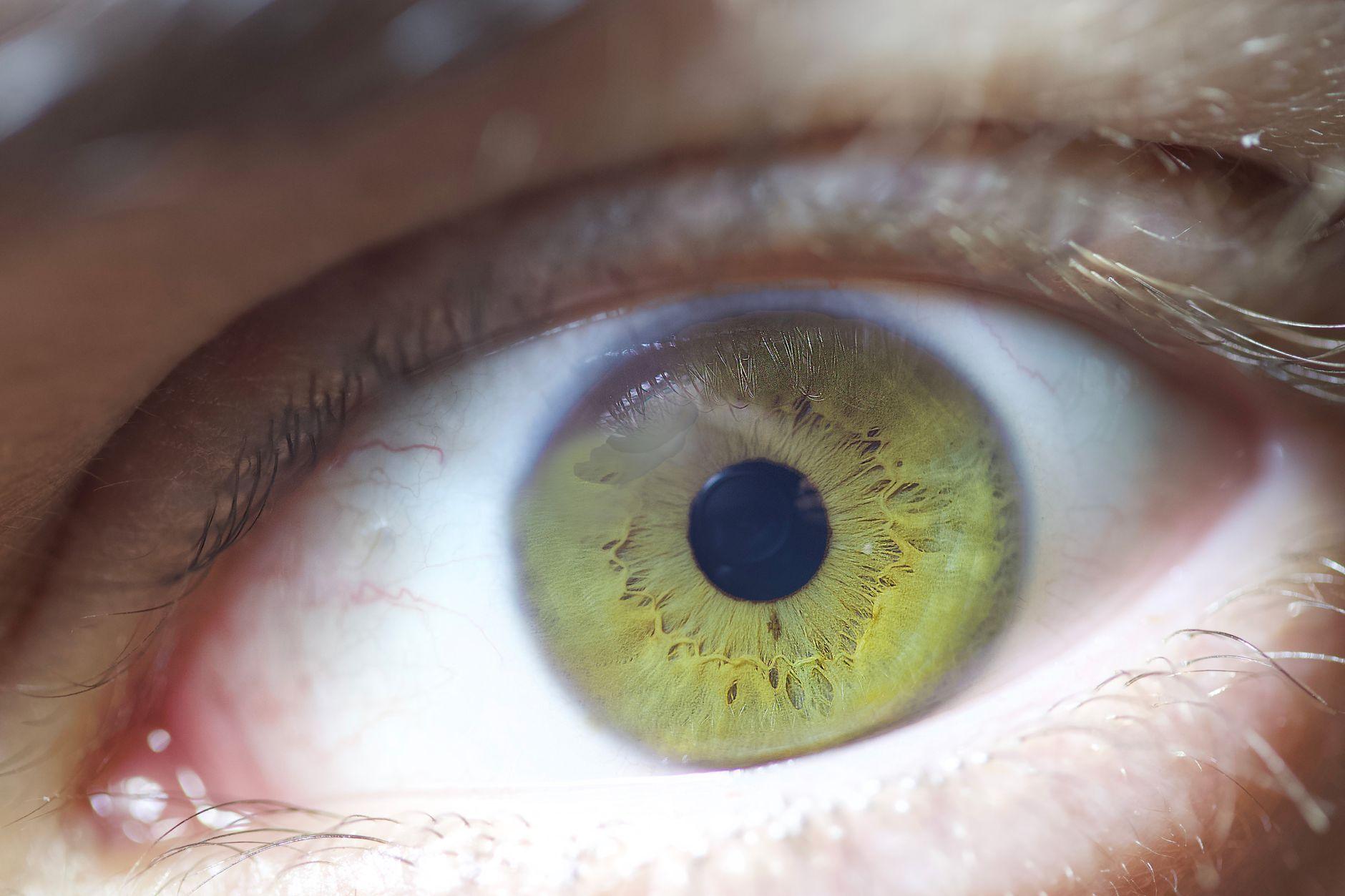
My grandfather spent decades squinting at the sun, only to discover his light blue eyes put him at a distinct disadvantage for ocular health. Most people assume eye color is just about looking good in photos, but researchers have actually found that pigmentation acts like a biological shield. If you have dark brown eyes, your extra melanin acts as a natural sunscreen against ultraviolet radiation, which might be why light-eyed individuals have a higher risk of age-related macular degeneration according to this analysis from the American Academy of Ophthalmology.
15 to 20 percent of the global population belongs to the light-eyed category, and honestly, it’s a total pain to deal with constant photophobia or light sensitivity. I’ve personally wasted at least $500 over the last few years just buying high-end polarized sunglasses because anything less feels like staring directly into a halogen bulb. It’s incredibly frustrating that my own genetics make a sunny afternoon feel like an active chore.
Vitiligo shows up much less frequently in people with darker irises, which is a weird little quirk of human biology I learned the hard way at a medical seminar. If you want to dive into the technical side, the National Institutes of Health has documented how melanin density influences autoimmune susceptibility across different ethnic populations. It’s not just about vision, but how your entire system interacts with the environment.
Brown-eyed people are statistically less likely to develop skin cancer, which seems like a lucky break until you realize that medical screenings often overlook them because they think they’re “safe.” I think it’s actually a dangerous trap to assume high pigment grants you total immunity from UV damage. Everyone, regardless of iris hue, needs to visit the Skin Cancer Foundation to understand that melanoma doesn’t care if you have brown, green, or blue eyes.
Diabetes risk also seems to correlate with eye color in some isolated longitudinal studies, though the link is far from settled. Some data suggests blue-eyed individuals might have a slightly higher incidence of Type 1 diabetes, which makes me wonder if there’s an undiscovered genetic linkage between pigment genes and metabolic pathways. It drives me crazy that we still don’t have a definitive answer after decades of clinical observation.
20 minutes under a bright sun is enough to give someone with light eyes a headache, while a brown-eyed buddy might not even squint. Stop obsessing over your inherited traits because you really can’t trade your DNA for a better set of photoreceptors. You’re much better off wearing a decent hat and ignoring the medical predictions that try to pigeonhole your health based on a genetic roll of the dice.